
Gravel route: 12 mandatory checkpoints
Road route: 11 mandatory checkpoints
11 checkpoints in Spain

Pamplona – Castle San Cristóbal
Castle San Cristóbal, high above Pamplona, is Checkpoint 1 at km 100 and offers a spectacular view over the city and the surrounding countryside.
The fortress was built between 1879 and 1919, during the period of the Carlist Wars, as a strategic defence of Pamplona. From 1930 onwards, the complex was used as a prison.
During the Spanish Civil War, the fortress became a notorious prison. Around 2,000 political prisoners were held here, many of them under extremely harsh conditions. The prison was the scene of a major escape attempt in 1938, when hundreds of prisoners broke out, although most were recaptured.
Today, the fortress stands quietly above Pamplona, its impressive walls hiding a dark chapter of Spanish history.
Bardenas Reales – Desert (gravel only)
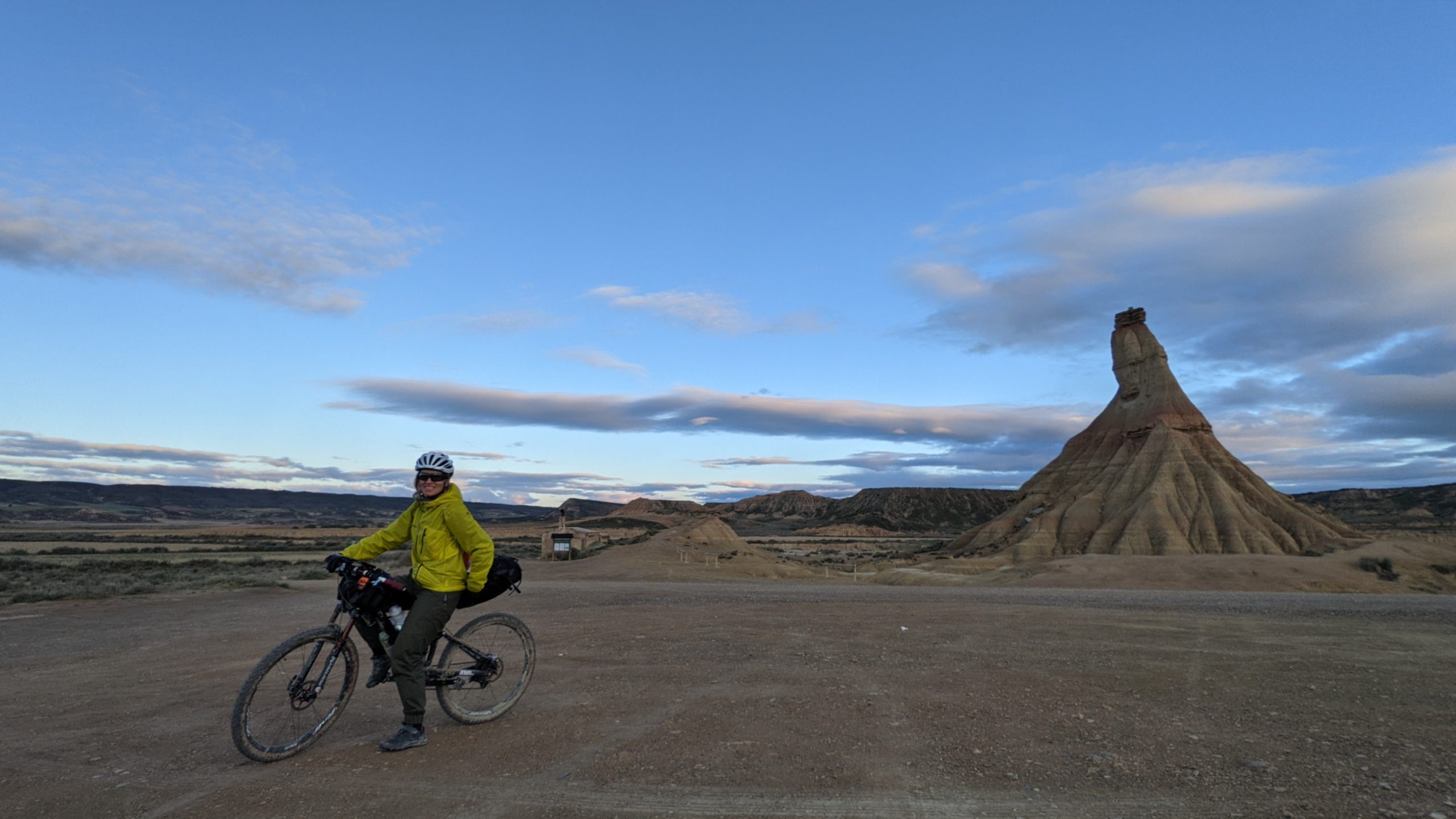
The Bardenas Reales is one of Spain’s most extraordinary landscapes — a vast semi-desert in southern Navarra shaped by wind and water over millions of years.
Eroded clay, sandstone cliffs, deep ravines and isolated hills create a landscape that looks almost otherworldly. The barren terrain is a striking contrast to the green landscapes of northern Spain.
For riders, crossing the Bardenas Reales is a memorable section of the route: remote, exposed and unlike almost anywhere else in Europe.
Molina de Aragón – Castillo
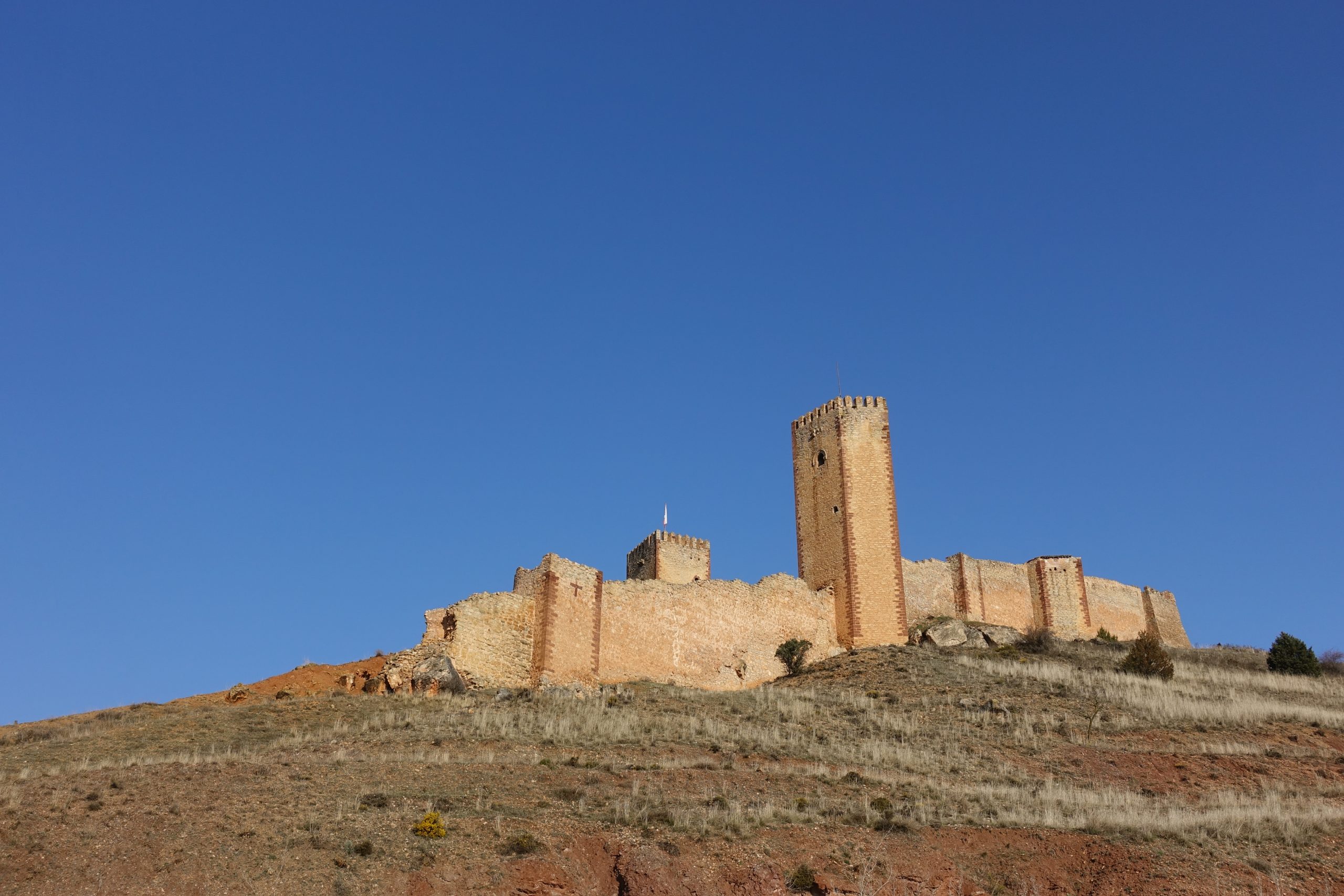
The Castillo de Molina de Aragón is one of the largest and most impressive medieval fortresses in Spain. Rising above the town of Molina de Aragón, its long walls, towers and battlements dominate the surrounding landscape.
Built on the remains of an earlier Muslim fortress, the castle became an important stronghold during the medieval struggles between Christian kingdoms and the Muslim territories to the south.
Today, the fortress stands above a remote and rugged part of Castilla-La Mancha – a fitting checkpoint for riders crossing the vast landscapes of central Spain.

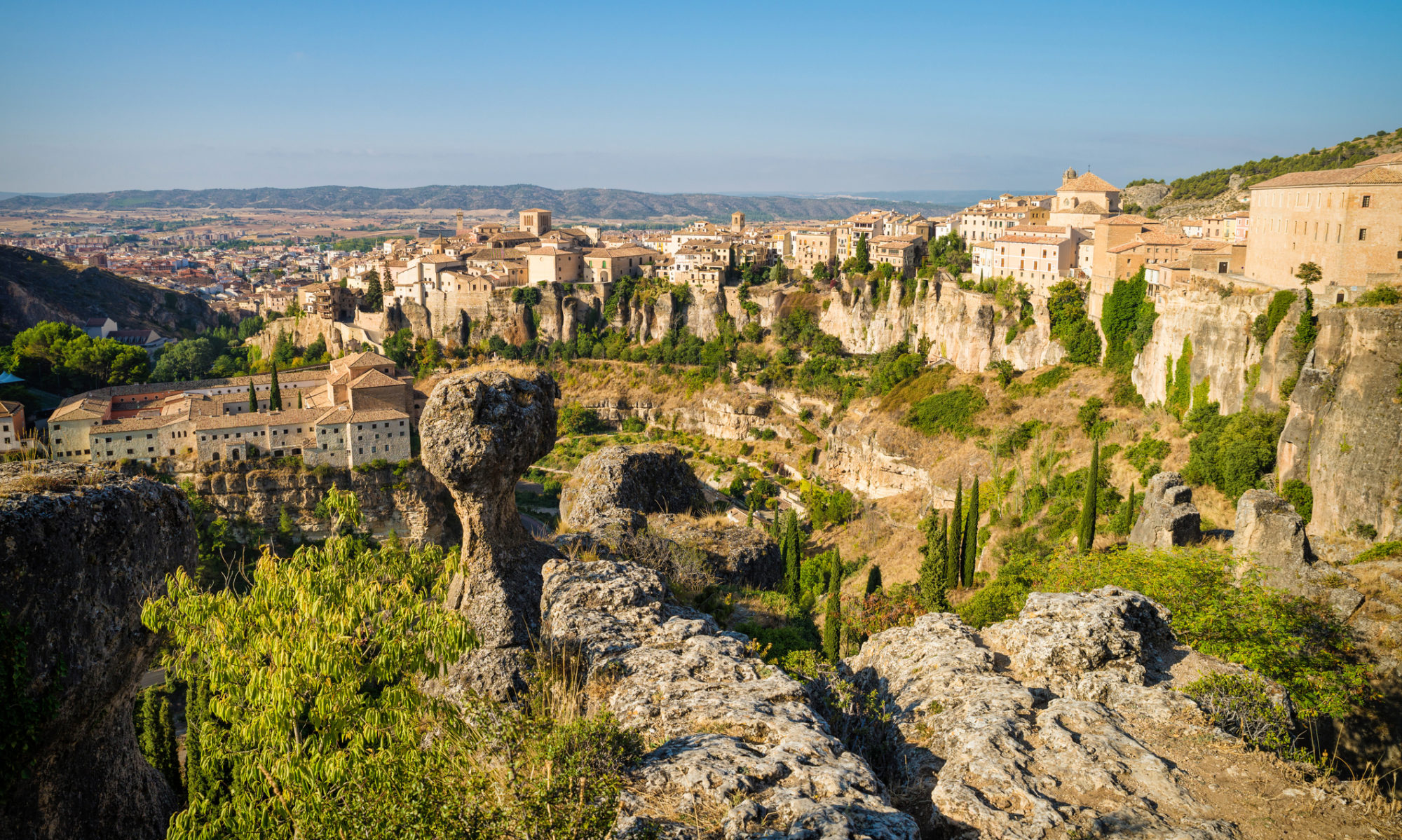
Cuenca – Torre de Mangana
The Torre de Mangana stands in the heart of Cuenca’s historic old town, marking the site of the former Muslim fortress and later medieval city walls.
The tower has become one of the symbols of Cuenca, rising above the city with its distinctive clock and offering views across the surrounding landscape. From here, the route continues through one of the most spectacular and historic regions of central Spain.
Cuenca is another reminder that this journey is not only about distance and climbing – it also takes riders through centuries of Spanish history.
Castillo de Alarcón
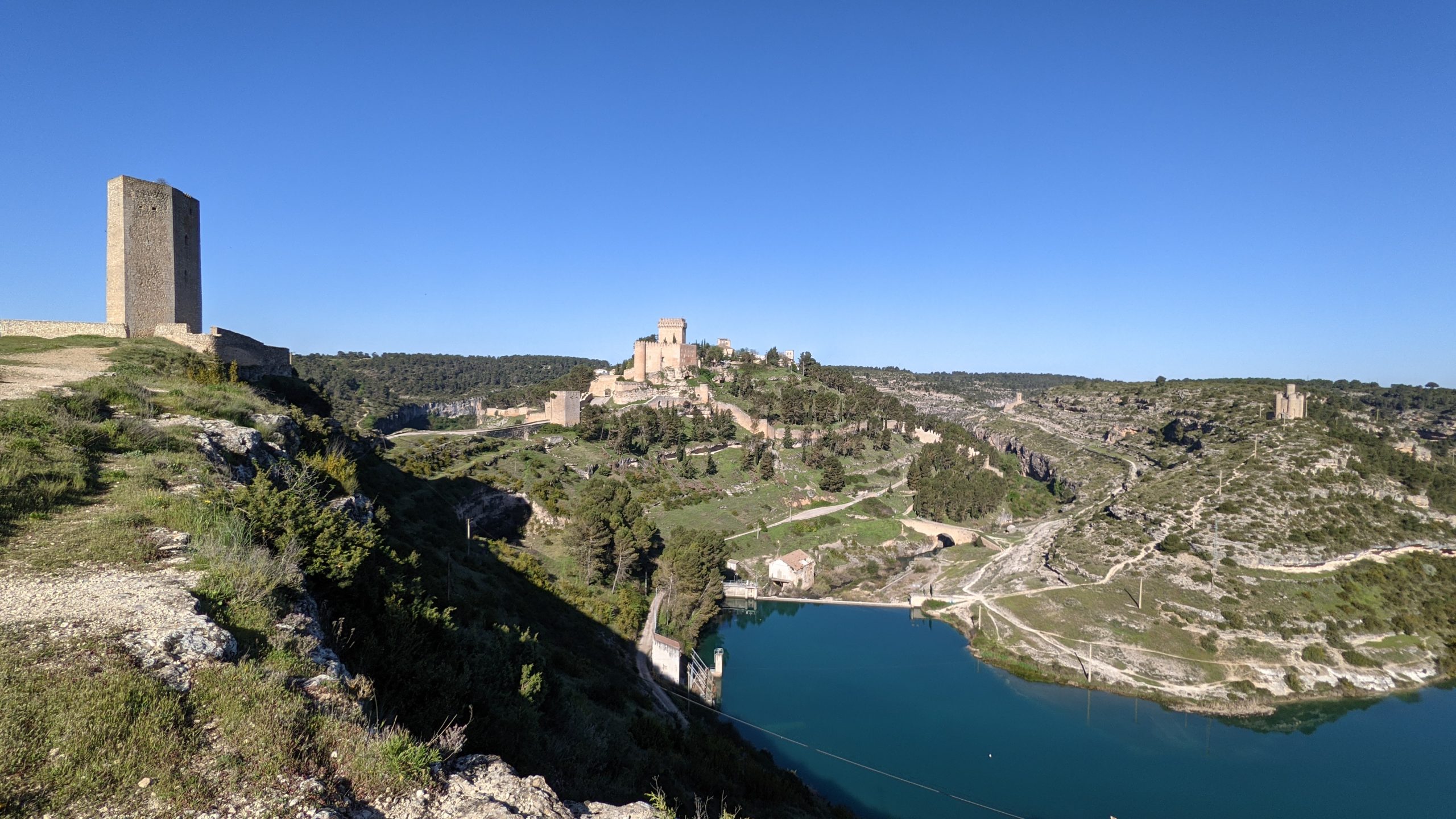
Rising dramatically above the Júcar River, the medieval Castillo de Alarcón dominates the small hilltop village of Alarcón.
The castle dates back to the Muslim period and was later expanded after the Christian reconquest. Surrounded by ancient walls and perched above the deep river gorge, it makes an impressive landmark on the route through central Spain.
After the long open roads of the surrounding countryside, the arrival at Alarcón feels like a journey back in time – another of those unexpected historic places that make the Spanish section so special.
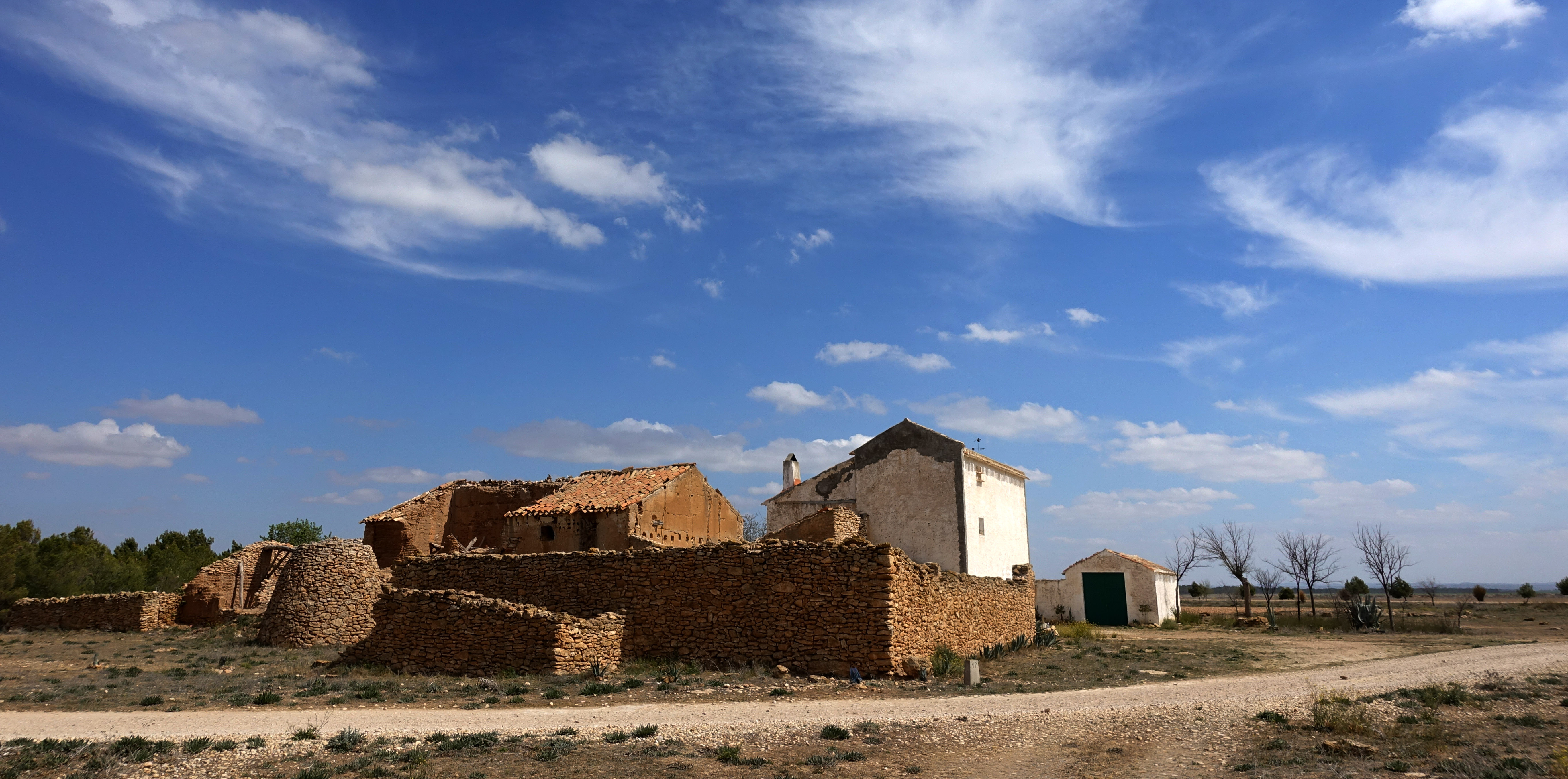
El Cuartico (gravel only)
Halfway through the Spanish section!
This lonely building southwest of Albacete marks an important point on the route.
From here begins a 57 km flat section along a former railway line, now converted into a rail trail. The route passes through a remote rural landscape and several tunnels – a welcome change of rhythm after the climbing and rugged terrain of the first half of the Spanish section.
Not a famous landmark. Not a tourist attraction. Just one of those places that becomes memorable because you reached it by bike.
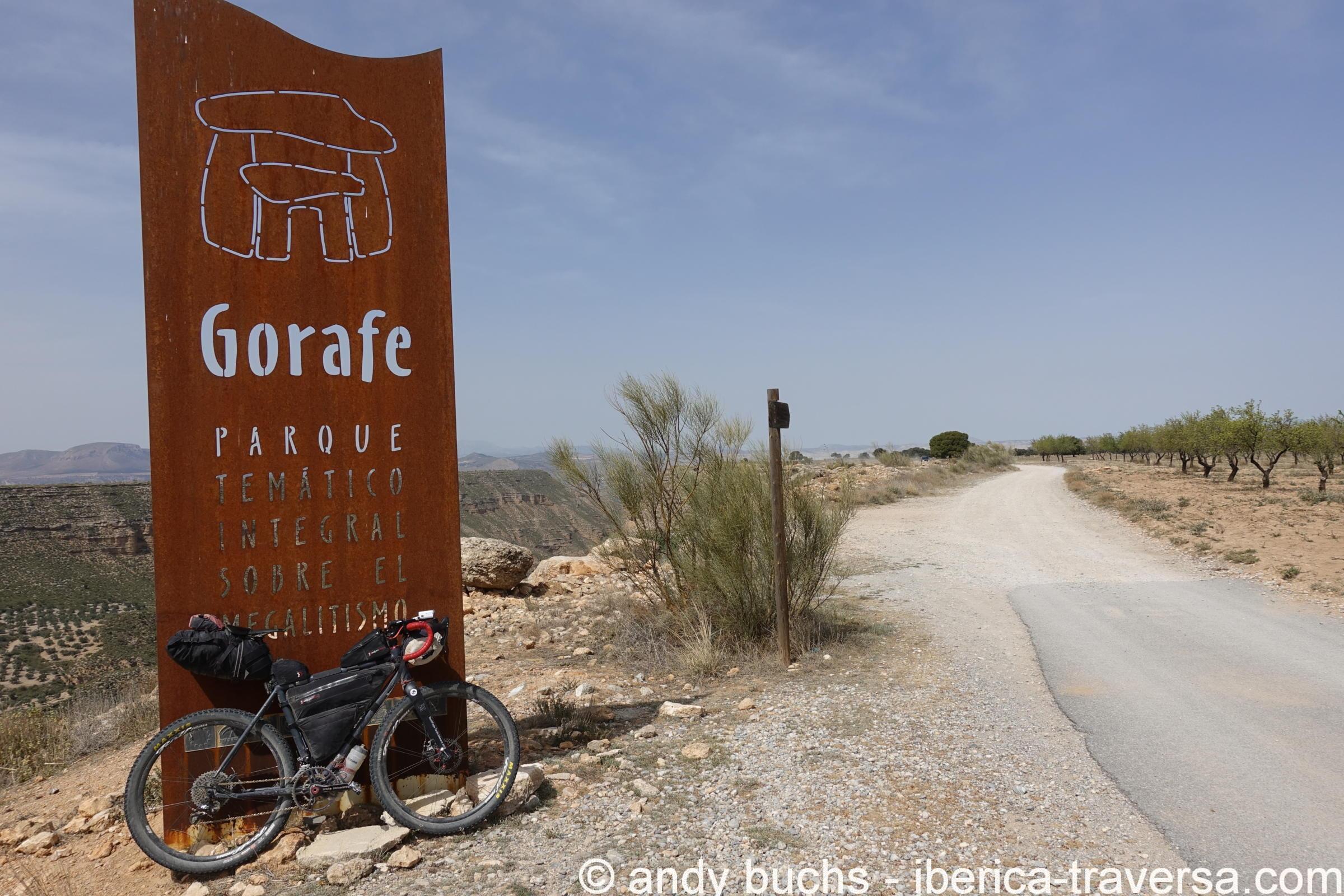
Gorafe Desert
The Gorafe Desert is one of the most unusual landscapes in Andalucía. Deeply eroded clay formations, barren valleys and dramatic ridges create a landscape that feels more like the American Southwest than southern Spain.
The route crosses this remote and rugged terrain on the way east, with the small village of Gorafe as a natural landmark in the middle of the desert. After the green landscapes around Granada, the sudden change in scenery makes this section especially memorable for riders.
A true taste of the wild side of Andalucía.
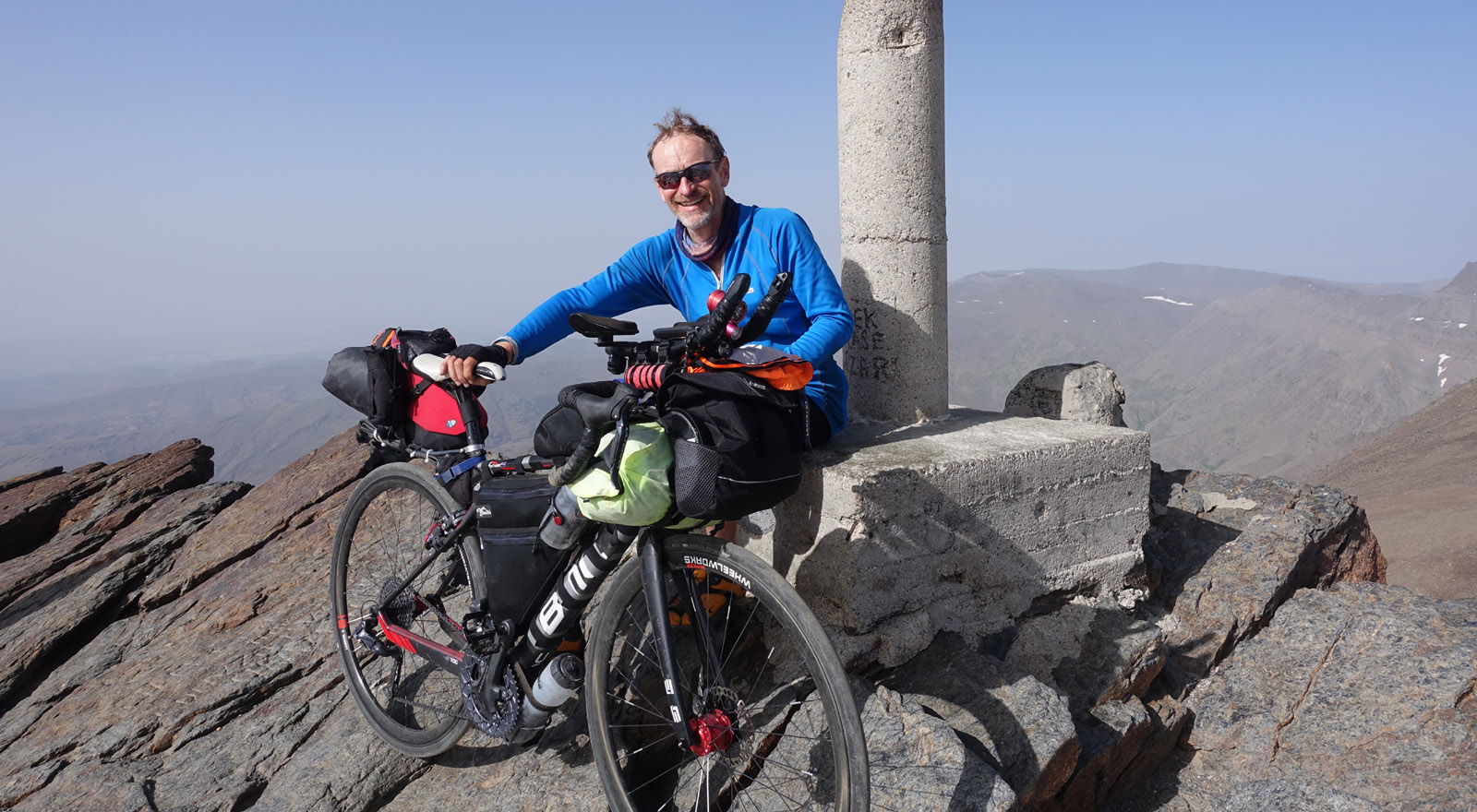
Pico del Veleta (road only)
At 3,398 metres, the road up Pico del Veleta is the highest paved road in Europe and the highest point of the route. The road climbs deep into the Sierra Nevada, offering spectacular views over the mountains and, on clear days, far across Andalucía.
The final kilometres are remote and exposed, with the landscape becoming increasingly alpine as you climb towards the summit.
Please note: this checkpoint must be reached in daylight. Riding the final section after dark is not permitted.
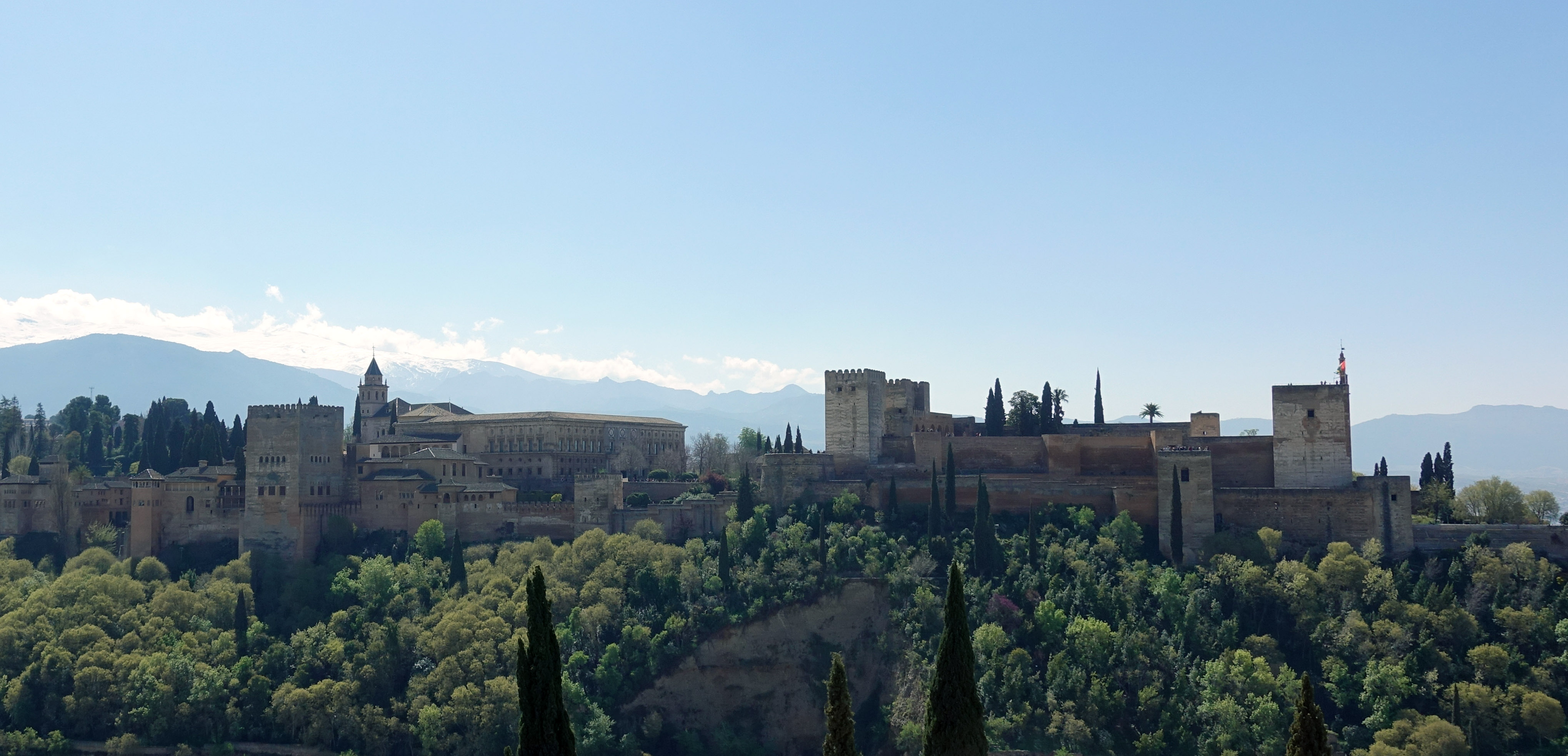
Granada, Plaza Mirador de San Nicolás
“The best view of the Alhambra in the city. Gateway to the Sierra Nevada.” – Jesse Blough, 2019
The Mirador de San Nicolás is one of Granada’s most famous viewpoints, offering a spectacular panorama of the Alhambra with the snow-capped peaks of the Sierra Nevada rising behind it.
Located in the historic Albaicín quarter, the viewpoint is surrounded by narrow streets, whitewashed houses and the atmosphere of old Granada. For riders, it is a memorable checkpoint – and a chance to take in one of the great views of Andalucía.
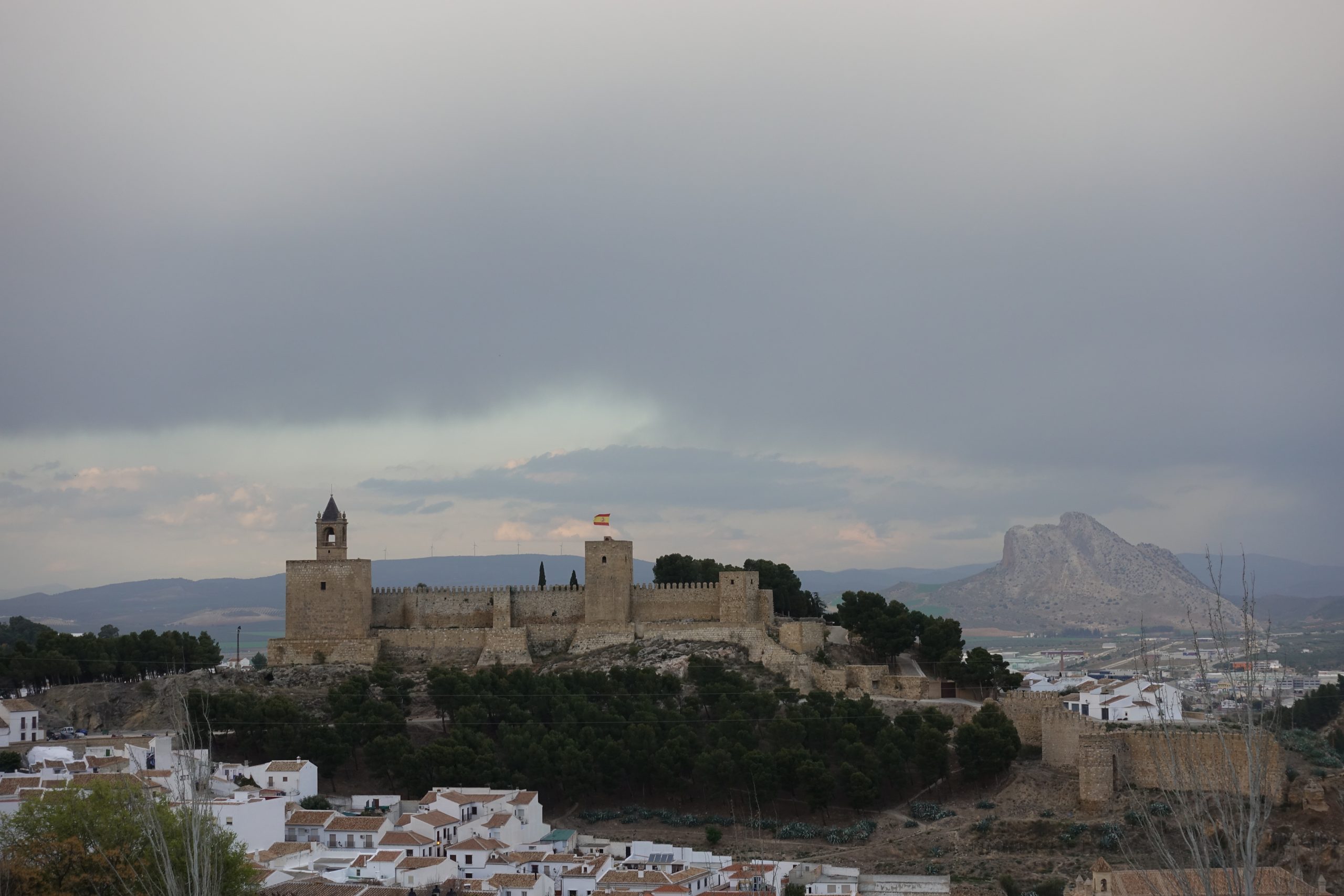
Antequera – Castillo de Papabellotas
The Castillo de Papabellotas stands high above Antequera, overlooking the historic town and the surrounding landscapes of Málaga province.
The castle dates back to the Muslim period and is one of the most prominent landmarks of Antequera. Its elevated position makes it an impressive arrival point for riders – and a good place to look back at the kilometres already covered across Andalucía.
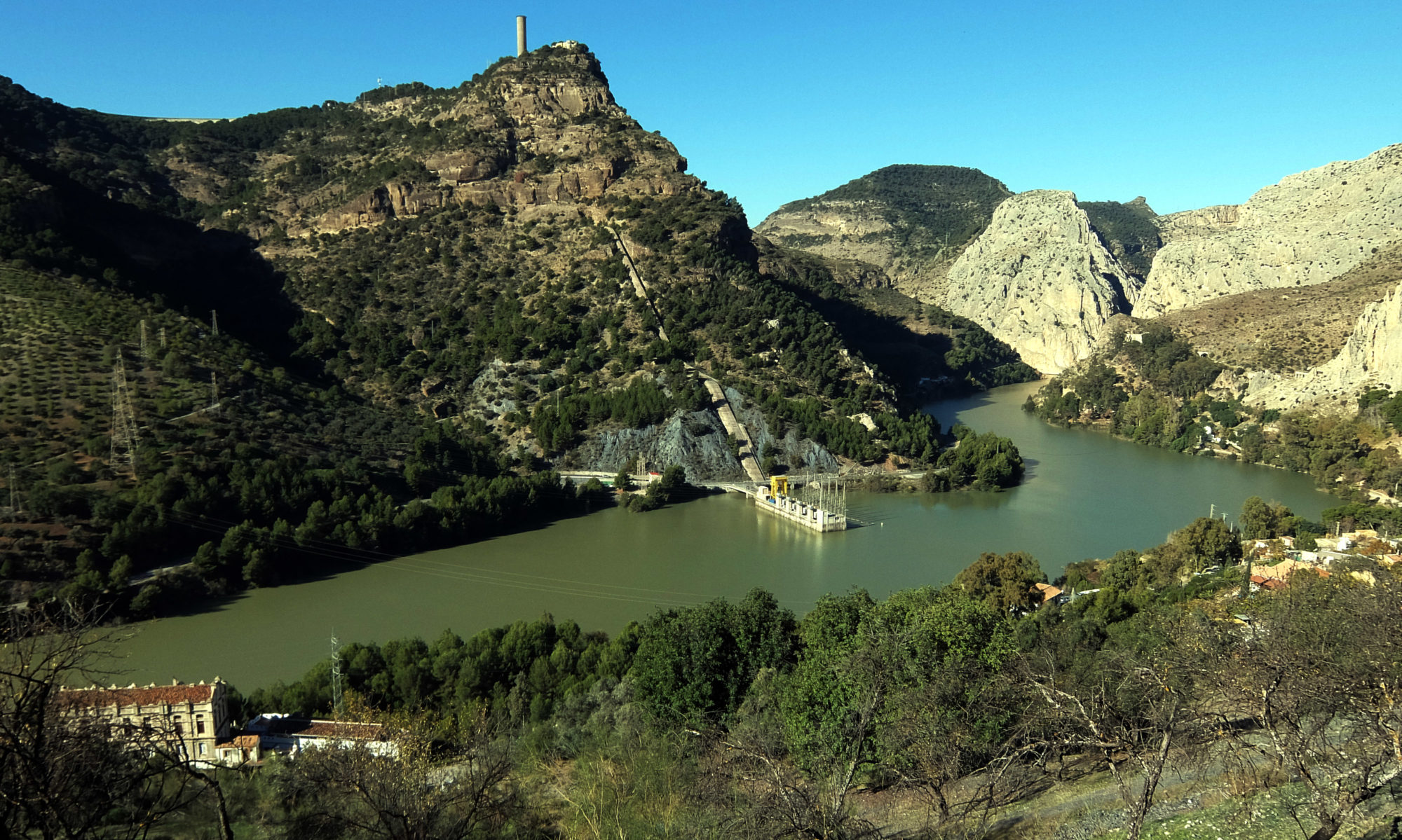
El Chorro – Caminito del Rey
El Chorro is one of the most spectacular places on the route through southern Spain. The area is famous for the Caminito del Rey, a spectacular walkway suspended high above the narrow Gaitanes Gorge.
Our route passes through this dramatic landscape, with steep rock walls, deep gorges and the turquoise waters of the Guadalhorce reservoirs. It is a place where the scenery makes even a short stop memorable.
For the riders, El Chorro is more than just another checkpoint – it is one of the visual highlights of the Spanish section.
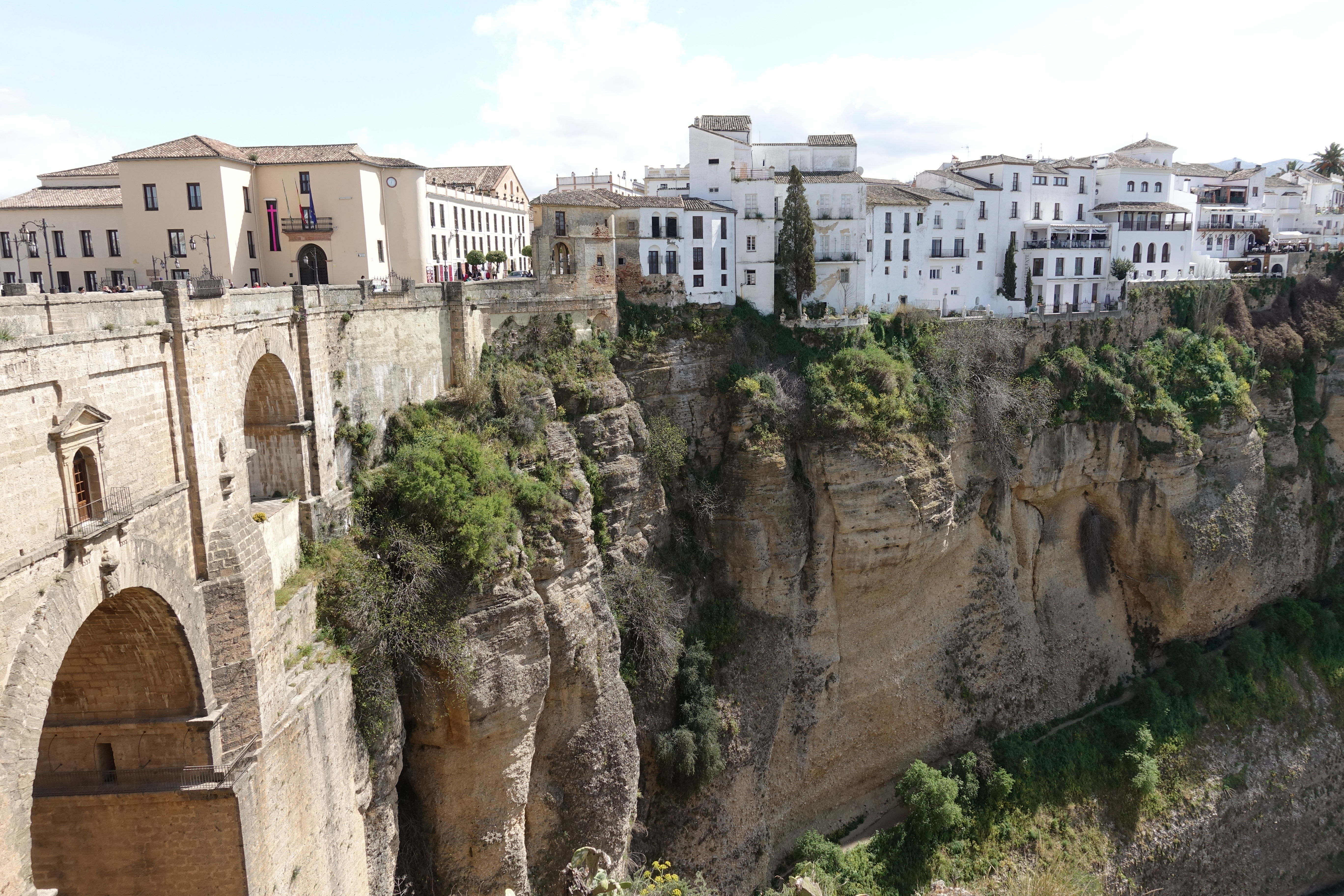
Ronda, Puente Nuevo
“A huge old bridge into a beautiful Andalucian city.” – Jesse Blough, 2019
Ronda is one of the most spectacular towns in Andalucía, dramatically perched above the El Tajo gorge. Its iconic Puente Nuevo spans the gorge and has become one of the most recognizable landmarks in southern Spain.
For riders, Ronda is a memorable landmark on the way south – a place where the impressive landscape, historic town and legendary bridge come together. From here, the route continues towards Tarifa and the southern tip of Europe.
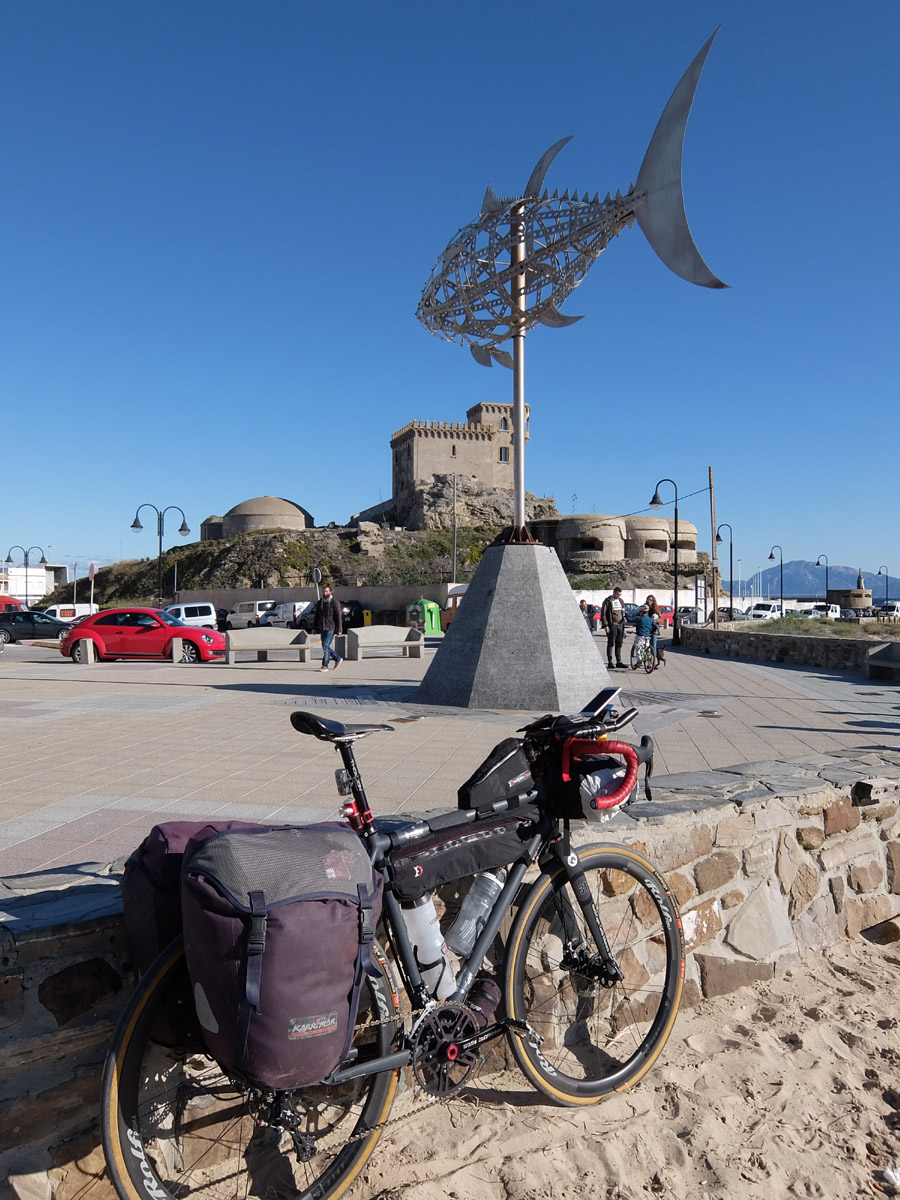
Tarifa
The Tuna Sculpture – Tarifa
Over the years, the Tuna fish sculpture has become a legendary landmark for our participants. NorthCape-Tarifa, Iberica-Traversa and 45-SouthWest all finish at this iconic spot in Tarifa — the southernmost point of the European mainland.
For 2-Continents riders, Tarifa marks the end of the Spanish section before the route continues across the Strait of Gibraltar to Morocco.